
The FIFA World Cup is the biggest stage in football, but for many clubs across Africa, it has become a tournament they watch from a distance rather than one they benefit from.
While the spotlight shines on national teams and global superstars, the clubs that continue to develop talent at home are often left with little to celebrate.
FIFA’s newly expanded Club Benefits Programme for the 2026 FIFA World Cup has been a landmark initiative.
ALSO READ: Lionel Messi pens emotional message after 2026 World Cup final loss to Spain

The world governing body committed a record USD 355 million (approximately KSh 45.8 billion) to clubs that released players for both the World Cup qualifiers and the final tournament.
Out of that amount, USD 100 million (around KSh 12.9 billion) was shared among clubs whose players featured in qualification matches, while USD 250 million (about KSh 32.3 billion) was distributed to clubs whose players were selected for the World Cup finals.
The remaining USD 5 million (roughly KSh 645 million) was reserved for the development of global club football.
Why FIFA should make room for Africa’s local league players at the World Cup
It is a brilliant programme and one that rightly rewards clubs for producing international players. However, it also exposes a major challenge, particularly in Africa.
Most African national teams rely heavily on players based in Europe, Asia and the Middle East.
While these footballers have earned their places on merit, it means the financial rewards attached to the World Cup rarely trickle down to clubs competing in African domestic leagues.
That raises an important question: who is rewarding the clubs that continue to invest in grassroots football despite limited resources?
South Africa offered perhaps the best example among African nations at the 2026 FIFA World Cup.
Bafana Bafana included nineteen players from the Premier Soccer League – ensuring that local clubs such as Mamelodi Sundowns and Orlando Pirates contributing eight players each – stand to receive compensation through FIFA’s Club Benefits Programme.
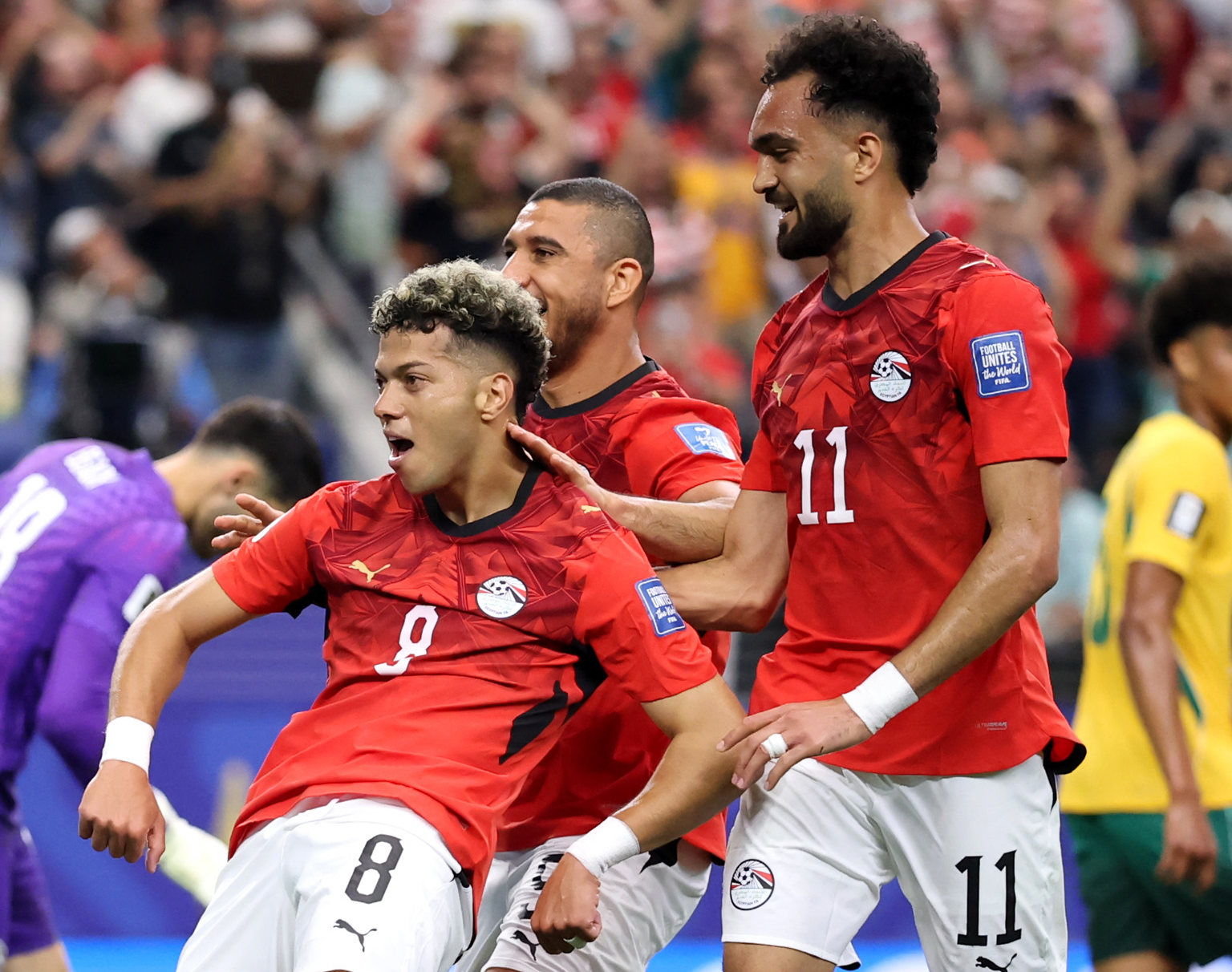
Egypt also demonstrated confidence in its domestic competition by naming seventeen locally based players, with clubs such as Al Ahly, Zamalek, Pyramids FC, ZED FC and Enppi set to benefit financially.

Elsewhere, the picture was very different.
Ghana travelled with just one locally based player, goalkeeper Benjamin Asare of Hearts of Oak – who was exceptional in the matches he played. The rest of the squad was made up almost entirely of players employed abroad.
Several other African representatives, including Morocco, Algeria and Côte d’Ivoire, did not include a single player from their domestic leagues in their final World Cup squads.
Consequently, their local clubs will receive little or no direct benefit from FIFA’s record payout despite continuing to produce and nurture young talent every season.
It is easy to understand why national team coaches favour overseas-based players. European clubs offer better training facilities, modern medical departments, advanced sports science, superior pitches and higher levels of competition.
Players who perform weekly in the English Premier League, La Liga, Serie A or the Bundesliga naturally arrive with experience gained at the highest level.

That reality should not be ignored.
However, it also creates a cycle that continues to disadvantage African football. Local clubs spend years identifying and developing talented youngsters, yet by the time major tournaments arrive, many of those players have either moved abroad or are overlooked entirely.
As a result, the financial rewards generated by international football bypass the very clubs that laid the foundation for those careers.
This is why FIFA should seriously consider introducing a policy requiring every qualified nation to include at least four or more players from its domestic league in its World Cup squad, provided those players meet the required competitive standard.

Such a policy would not be about charity or lowering standards. Instead, it would encourage national associations to invest more seriously in their domestic competitions while creating a stronger pathway between local leagues and national teams.
The benefits would extend far beyond the World Cup. Clubs receiving FIFA compensation could improve youth academies, renovate training grounds, purchase better equipment, strengthen medical facilities and pay players more competitive salaries.
These investments would help raise the overall standard of domestic football and reduce the gap between African leagues and Europe’s elite competitions.
National team coaches would also be encouraged to monitor local leagues more closely instead of focusing almost exclusively on overseas-based footballers.

African football has never lacked talent. What it often lacks is opportunity, investment and belief in the quality that exists at home.
FIFA has already taken a significant step by expanding the Club Benefits Programme.
The next step should be ensuring that clubs in developing football nations are not left watching billions of shillings flow elsewhere simply because their best homegrown players never receive a genuine opportunity on football’s biggest stage.
If the objective is to strengthen football globally, then strengthening domestic leagues must become part of that mission. Ensuring every World Cup squad has meaningful representation from local clubs could be one of the boldest and most impactful reforms FIFA introduces in the years ahead.